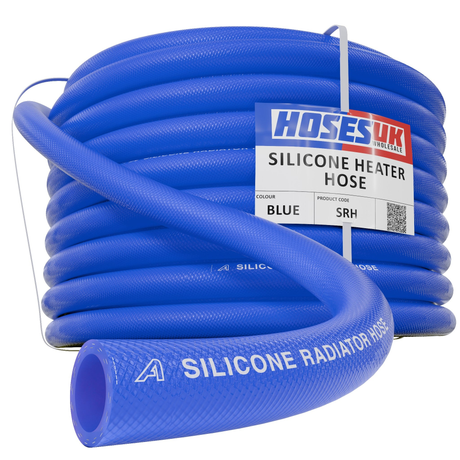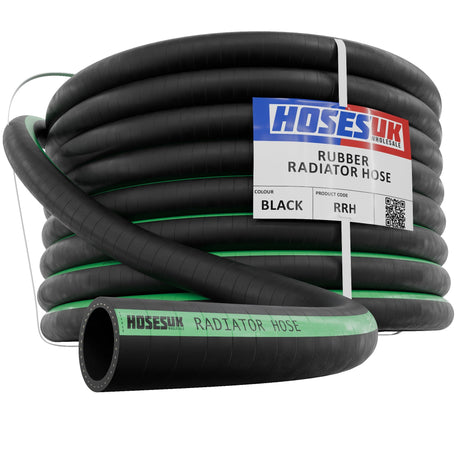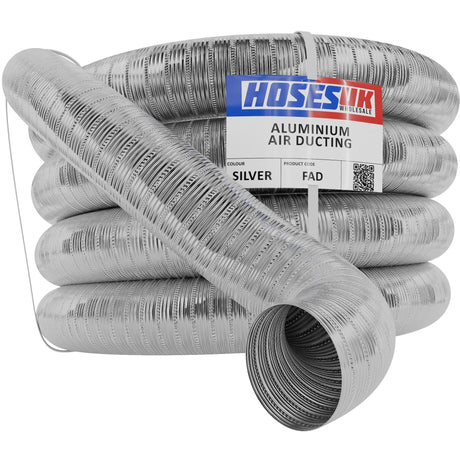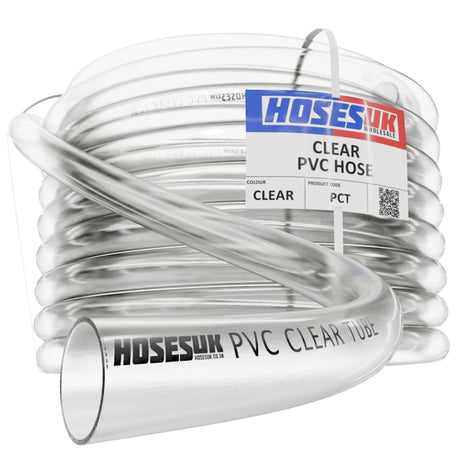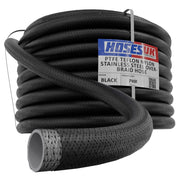

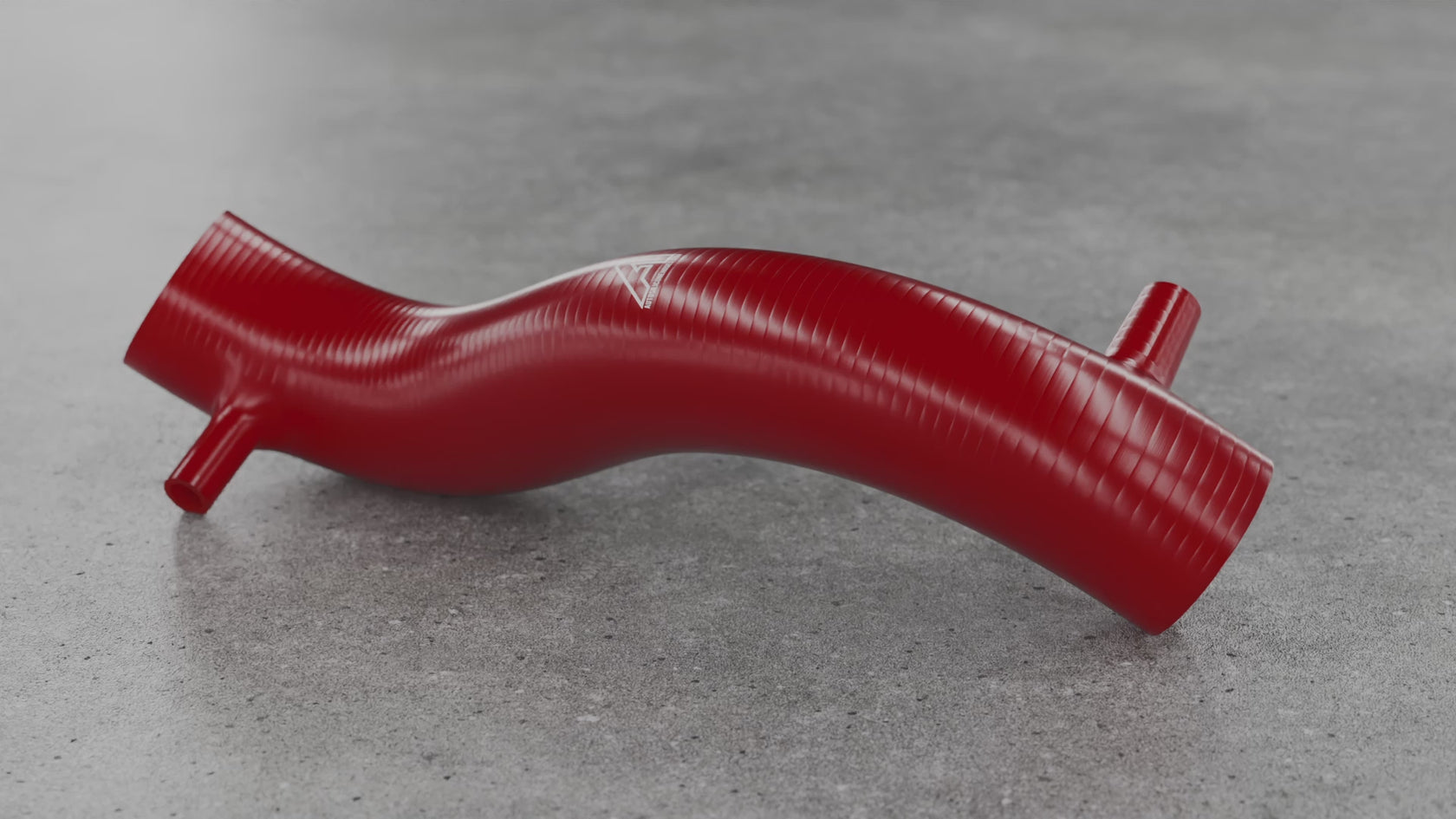
Most hose lines do not sell evenly across the year. Pond and water-transfer hose wakes up with the first warm weekend, farm customers want everything in the fortnight before harvest, and the first hard frost sends workshops looking for coolant and heater hose they assumed would be on the shelf. None of that is a surprise — it happens every year — yet peak still catches plenty of buyers short.
The cost of getting it wrong runs both ways. Run out in peak and the sale goes to whoever had stock. Overbuy and you carry coils into the quiet months, tying up cash and shelf space. This guide sets out where the seasonal swings in hose tend to come from, a simple calendar for planning around them, and how to use a stocking wholesaler so you are not carrying all of the risk yourself. It builds on our demand forecasting guide, which covers the year-round side of the maths.
Where the Peaks Come From
Every trade has its own rhythm, and a reseller serving several sectors sees them overlap. The patterns below are the ones that come up again and again across hose and ducting — use them as a starting point, then check them against your own sales history.
A Planning Calendar
Lay the year out by quarter and decide, before each one starts, what you want on the shelf. A rough version of the calendar most mixed trade counters end up with:
| January – March | Order for spring: water and corrugated PVC in your core bores, silicone for performance rebuilds, clips and fittings to match. Clear out what did not move last year. |
| April – June | Water and irrigation demand at its strongest; site work busy. Top up fast-movers little and often rather than in one big buy. |
| July – September | Harvest and late-summer site work. Hold farm and plant lines deep enough to cover breakdowns, and start the winter order before the season turns. |
| October – December | Coolant and heater hose, clips and workshop consumables for the cold. Get orders in early ahead of carrier pressure and the Christmas shutdown. |
Shift the edges to suit your own customers — a coastal chandler or a dedicated motorsport stockist will see a different curve from a rural agricultural counter. The point is to make the decision a quarter ahead, not when the phone starts ringing.
Building the Pre-Peak Order in Five Steps
Let the Wholesaler Carry the Buffer
You do not have to hold the whole season’s stock on day one. Because our hose range is held in stock in Mirfield, the sensible pattern for most resellers is a solid opening order on proven lines and then smaller top-ups as the season shows its hand. Orders over £500 go out with free standard delivery to mainland UK, there is an Express next-day option for a £20 surcharge when a customer is waiting, and you can arrange to collect from Mirfield.
The £500 minimum is across the full wholesale catalogue, not per line, so a top-up can mix hose, ducting, clips and fittings in one consignment. That keeps the reorder sensible even when you only need a few coils of one bore. It is also the best defence against dead stock: stock you did not buy in March cannot be sitting on your racking in October.
Every order is settled before dispatch — by pro-forma, card or PayPal. There are no credit checks and no application, which is part of how we keep pricing sharp and stock deep. For planning, the practical effect is simple: once payment clears, the order is in the dispatch queue.
Bespoke and Branded Lines Need a Longer Run-Up
Anything made to order — custom bores, colours or branded hose — does not follow stock lead times, so plan it a full season ahead rather than a few weeks. Get drawings and artwork settled in the quiet months and you will have it on the shelf when demand arrives. Our guide to stock vs bespoke lead times covers the difference in more detail, and the bespoke production page sets out what a quote needs.
Open a trade account, take £25 off your first order, and get your pre-peak stock in before the rush.