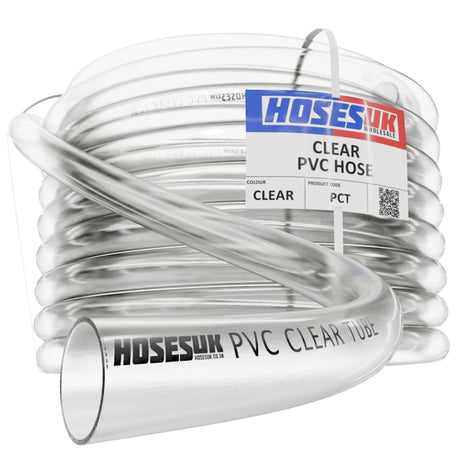
Every stockist has a corner of the warehouse nobody likes to talk about. The 127mm silicone in a colour one customer asked for two years ago. Half a coil of clear braided PVC in a bore that never moved. A box of clips in a size that sits between the two everyone actually buys. None of it is broken, all of it was paid for, and every month it sits there it is costing you shelf space, counting time and cash you could have put into lines that turn.
Dead stock is rarely one bad decision. It is usually a dozen small, reasonable ones: a bulk price that looked too good, a customer who promised repeat orders, a range extended "just in case". The fix is not to stock less across the board – run too thin and you lose the sale to whoever has it on the shelf. The fix is to be deliberate about where you hold depth and where you let a supplier hold it for you.
SKU disciplineColour controlCoil vs cut lengthPack sizesSupplier as bufferQuarterly review
Why hose ranges breed dead stock
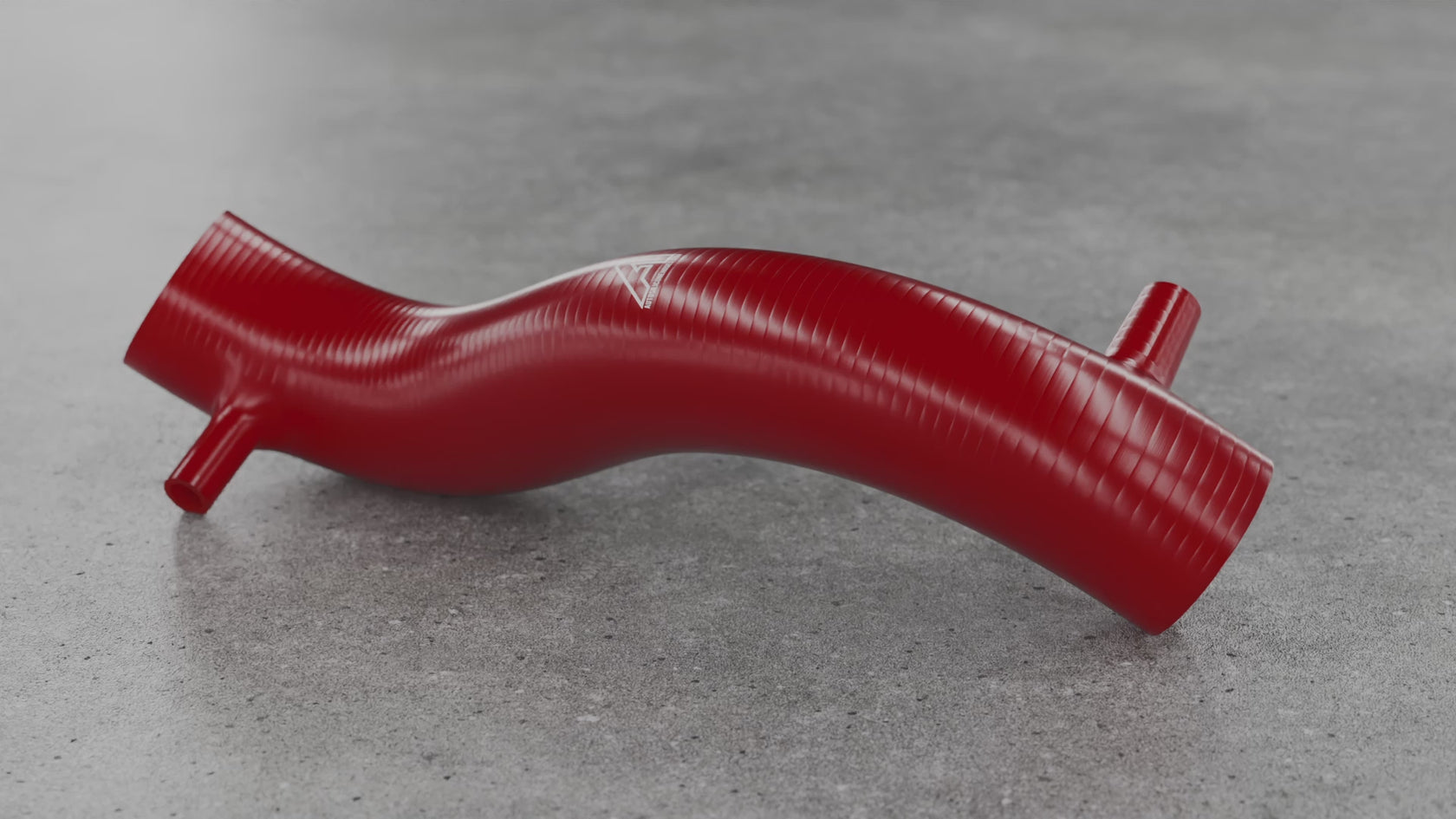
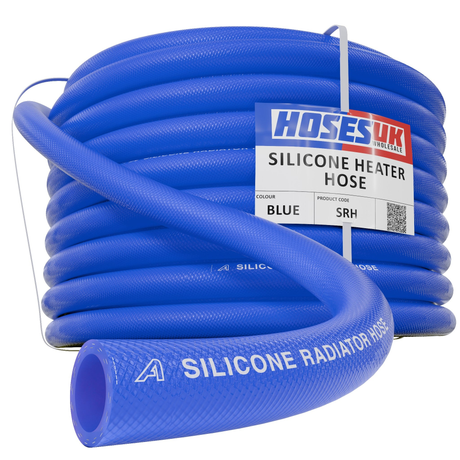
Hose is unusually prone to it, because the variant count multiplies fast. Take a single line from our own hose range: the Silicone Radiator Hose runs in 29 bores from 13mm to 152mm ID, in blue, black and red. That is one product and 81 live variants. Mirror that across straights, elbows, reducers and hump hose and a reseller can be carrying hundreds of SKUs before a single clip or joiner is added.
Bore creep
The common bores do most of the work; the extremes of the size run sell occasionally. Stocking every bore to the same depth is the fastest way to fill a shelf with slow movers.
Colour multiplication
Three colours triples the SKU count but rarely triples demand. For most trade accounts one colour is the workhorse and the others are occasional requests.
Coil commitment
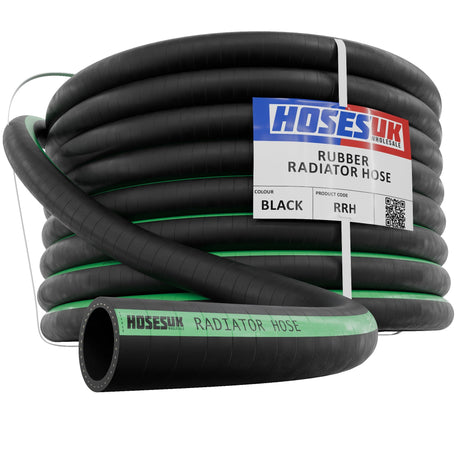
PVC and rubber lines are sold by the coil – our PVC Clear Braided Hose comes in 30 metre coils, the Heavy Duty Pole Hose in 100 metres. A coil opened for one short job is capital you now have to sell by the metre.
Pack-size mismatch
Clips and clamps come in packs of ten. Buy the pack for a one-off job without a plan for the other nine and they migrate to the back of the bin.
Five moves that actually shrink the problem
1
Rank by movement, not by value
Pull twelve months of sales per SKU and sort by units shifted. The top fifth of lines normally carries the bulk of the volume – that is where depth belongs.
2
Pick a house colour
Hold full depth in one colour per silicone line and supply the others to order. Most trade customers will take the house colour if it is in stock today.
3
Match bores to your customers
A workshop, a plant hire depot and an agricultural dealer buy very different bore profiles. Stock to your own sales history, not to the full size chart.
4
Pair consumables with hose
Every metre of hose you sell needs clips. Stock the clip ranges that fit your top bores in W1 zinc plated or W4 stainless to suit your trade, and ignore the rest.
5
Review every quarter
Anything that has not moved in two quarters gets flagged: bundle it, quote it keenly to the one customer who uses it, or stop reordering it.
Hold depth on what turns. Hold breadth on paper. Let the supplier's shelf cover the long tail.
Deciding what to hold and what to call off
A simple three-tier split keeps the decision honest. It is worth doing line by line against your own sales rather than by instinct:
| Tier A – hold deep |
Your fastest-moving bores and colours, and the clips that fit them. Stock-outs here cost you customers, so this is where working capital earns its keep. |
| Tier B – hold shallow |
Steady but slower lines. One coil or a handful of lengths on the shelf, reordered when it goes, not before. |
| Tier C – buy to order |
Extreme bores, secondary colours, occasional specials. Quote them from our stock with next-day delivery or same-day collection from Mirfield, and hold nothing. |
| Bespoke and branded |
Custom-branded and bespoke hose makes sense once a line is proven and steady – never as a first bet on an untested market. |
| Minimum order |
£500 ex-VAT per order. Build it from Tier A top-ups plus any Tier C requests you are holding, rather than padding it with speculative lines. |
Using your supplier as the buffer
The quiet advantage of buying from a distributor with deep stock is that you do not need to replicate it. If we are holding the long tail of bores and colours, and can get them to you next day, the cost of not stocking a slow line on your own shelf is a day's wait, not a lost customer. Browse the full product catalogue with that in mind: the question is not "do I need this?" but "do I need to own this before someone asks for it?"
It also changes how you buy. Rather than one large speculative order, a steady rhythm of top-ups keeps Tier A full and lets you roll customer specials into the same consignment. Our payment model supports that: every order is settled before dispatch — no credit checks, no application — which is how we keep pricing sharp and stock deep. New trade accounts also take £25 off the first order.
Clearing what you already have
Bundle slow bores with fast-moving clips, offer them to the one customer who uses that size, or price them to go. Cash back in the till beats a perfect margin on something that never sells.
Stop the next batch
The most common cause of dead stock is automatic reordering of a line that has stopped moving. Take slow movers off auto-reorder before anything else.
Ask before you buy deep
If you are unsure how a bore or grade sells across the trade, ask the team. We would rather point you at a leaner order than sell you stock that sits.
Frequently Asked Questions
What counts as dead stock for a hose stockist?
Any line that has not sold in two quarters is worth flagging. Typical culprits are the extreme ends of a bore range, secondary colours and part-used coils. It is not worthless, but it is tying up cash and space that faster lines could use.
How many colours of silicone hose should I stock?
For most trade accounts, one house colour held in depth and the others bought to order. Our Silicone Radiator Hose comes in blue, black and red across 29 bores, so stocking all three deep multiplies your SKU count far faster than your sales.
Is it better to buy full coils or cut lengths?
Buy full coils where a bore sells steadily by the metre. For one-off jobs in an unusual bore, order what the job needs from stock rather than opening a coil you will then have to sell off slowly.
How do I hit the £500 minimum without overstocking?
Combine your regular Tier A top-ups with any customer specials you are holding, and order on a steady rhythm rather than in occasional large batches. Every order is settled before dispatch, and next-day delivery means you do not need to buy far ahead.