
Ask a buyer what a hose costs and you will get a price per metre. Ask the person who books it in, matches the invoice and counts it at stocktake, and you get a different answer. Every supplier on your books carries a fixed overhead that never shows on the price list: another purchase order, another delivery to book in, another invoice to reconcile, another set of part numbers to keep straight.
This post makes the operational case for pulling hose, clips, joiners and ducting onto as few suppliers as practical. It is written for the ops manager, stores lead or purchasing admin — the people who actually feel the cost of a fragmented supplier list. We are not going to pretend one supplier suits every line; the point is to understand the admin you are paying for, then decide where consolidation earns its keep.
Where Supplier Sprawl Actually Costs You
Most hose buyers did not choose five suppliers; they accumulated them. A rubber supplier from years ago, a silicone specialist for a one-off job, a local factor for clips, a ducting firm someone found in a hurry. Each one made sense at the time. Together they create work that scales with the number of suppliers, not the value you buy:
Why Hose Lines Consolidate Well
Some categories resist consolidation because they need specialist suppliers. Hose and its consumables usually do not. A typical maintenance, workshop or reseller requirement is a mix of hose, the clips that hold it, the joiners and elbows that route it and the tools that fit it — and those are naturally bought together. Our full trade catalogue is built around that mix:
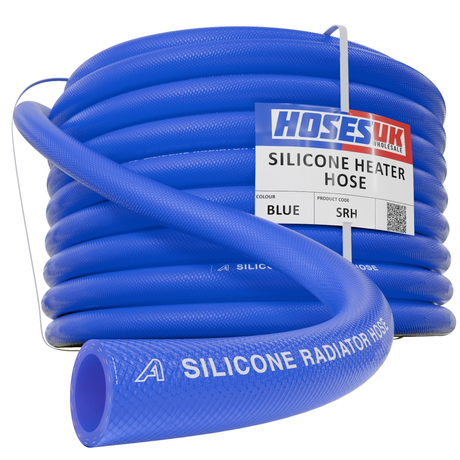
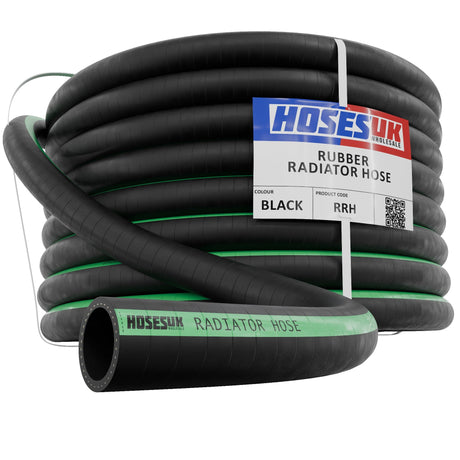
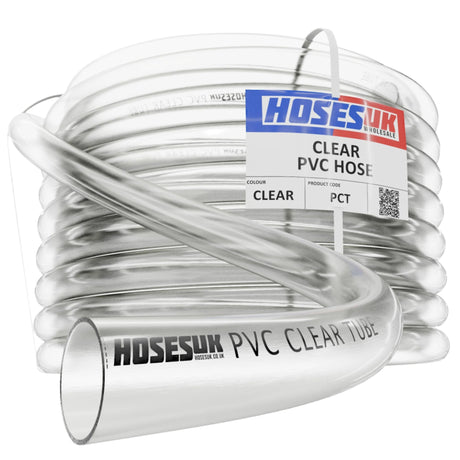
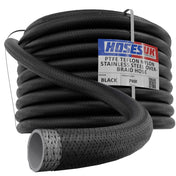
| Hose | Silicone (radiator, heater, hump, wire reinforced, vacuum, fluorosilicone-lined fuel & oil), rubber (radiator, heater, air line, multi purpose, overbraid, wire reinforced, LPG, marine), PVC (clear braided, wire reinforced, layflat, corrugated) and PTFE stainless overbraid. See the hose range. |
| Clips & fixings | T-bolt clamps, worm drive clips, mini clips and rubber lined P clips — the hose clips and clamps that every hose order needs. |
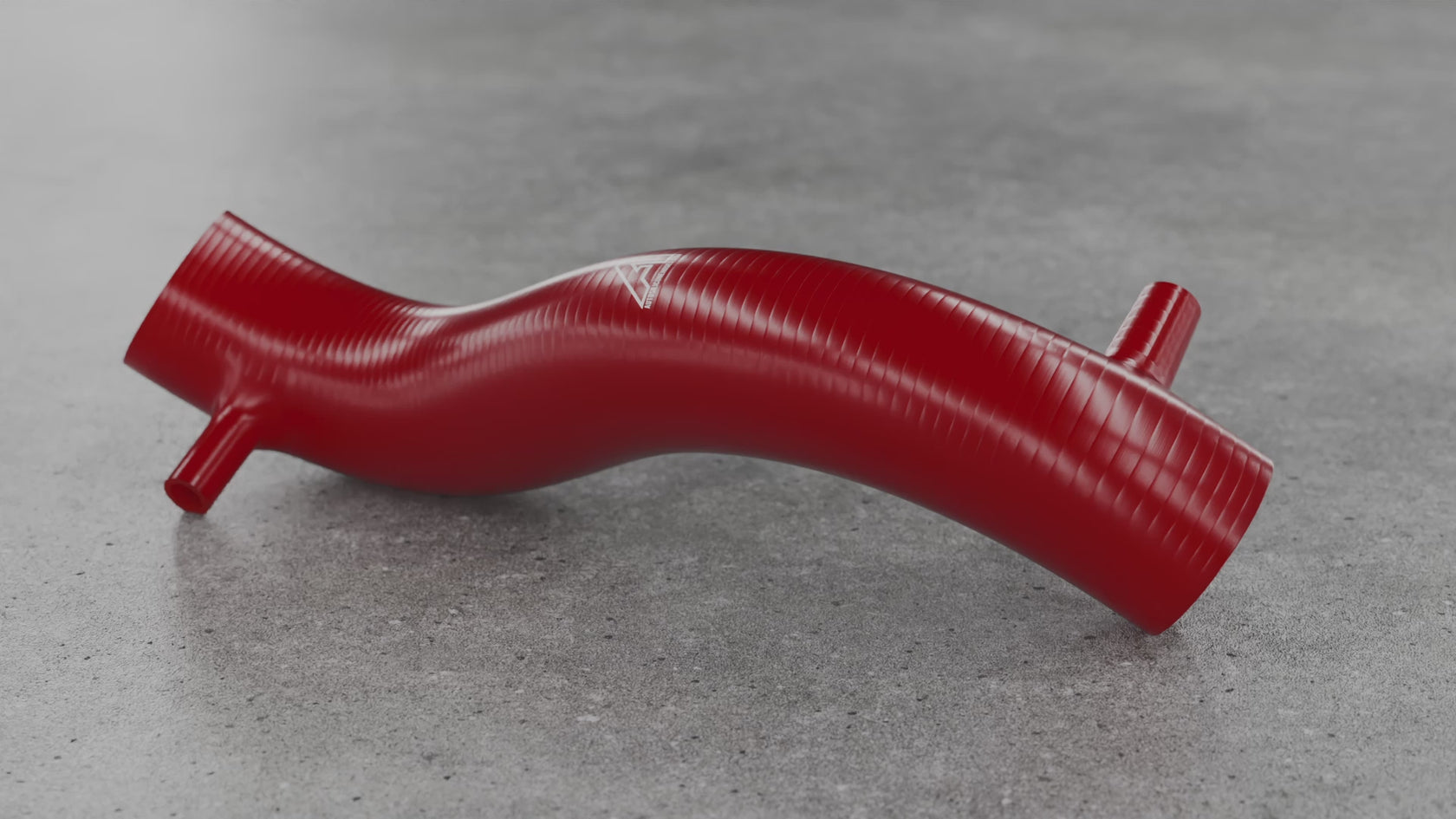
| Joiners & bends | Aluminium beaded joiners and elbows, stainless steel elbows, silicone elbows, reducers and T-pieces, and plastic joiners, reducers and elbows — our couplings and joiners. |
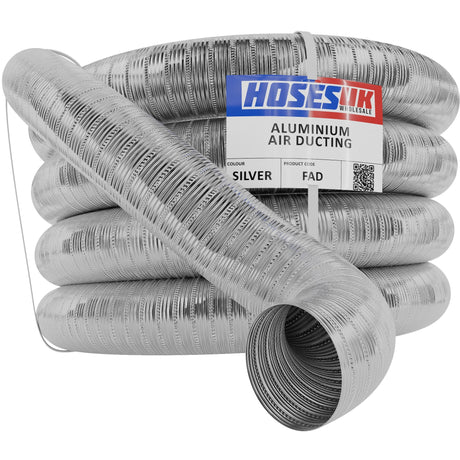
| Ducting | Silicone 2 ply, polyurethane, aluminium and PVC ducting for extraction and air movement. |
| Tools | Rigid, flexible and plastic hose clip drivers and a hose pipe cutter — the clip drivers and cutters that keep fitting time down. |
When the hose, the clip that fits it and the joiner that runs it arrive on one consignment, the person fitting them also stops discovering that the clips came from a different supplier in a different size band.
Running a Consolidation Review
Consolidation works best as a deliberate review rather than a gradual drift. Five steps get most operations there:
What Consolidation Doesn’t Fix
Be honest about the limits. Consolidating suppliers does not remove the need for sensible stock levels — if anything, a regular combined order makes it more important to know your reorder points and avoid overstock — see our guide to reducing dead stock. It does not turn bespoke or custom-branded work into stock items either; plan those separately using our lead times guide. And it is not about loyalty for its own sake. The goal is fewer, larger, more predictable orders with less paperwork around each one.
How Ordering Works with Hoses UK
Hoses UK is a trade-only wholesaler. The £500 minimum (ex VAT) applies to the whole order, so hose, clips, joiners, ducting and tools all count towards it on one consignment. Every order is settled before dispatch by pro-forma, card or PayPal — no credit checks and no application — which keeps our own admin lean and goes back into sharper pricing and deeper stock. Stocked lines are dispatched within 1–2 working days of cleared payment, with free standard delivery to mainland UK on orders over £500, an Express next-day option for a £20 surcharge, and collection from Mirfield by arrangement.
Open a trade account, take £25 off your first order, and put your hose, clips and joiners on one consignment.