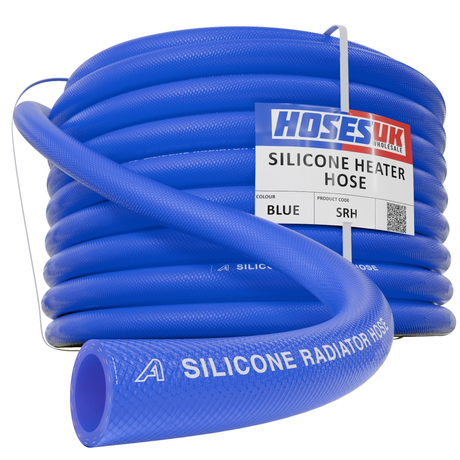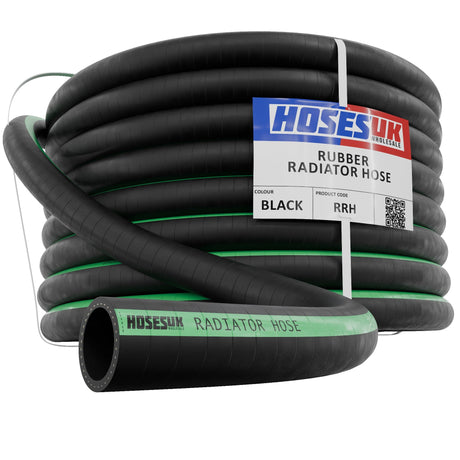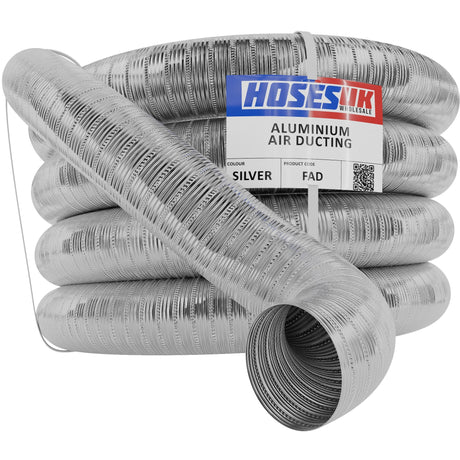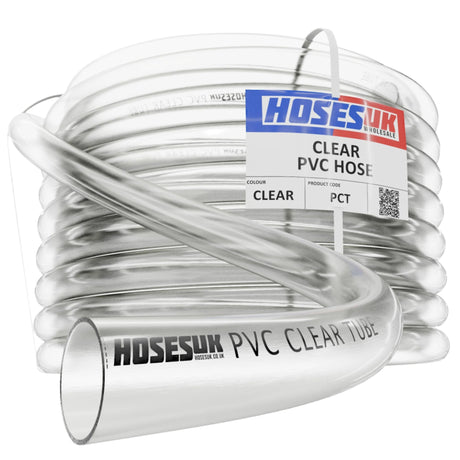

A bespoke hose order rarely goes wrong at the factory. It goes wrong in the inbox: a drawing that exists in three versions, a logo file that turns out to be a screenshot, a customer who changes the bend angle after the quote, and nobody on your side who can say which version was actually approved. By the time the parts arrive, the argument is about paperwork, not rubber.
We have already covered lead times on stock versus bespoke and the commercial case for own-brand and custom-branded hose. This post is the admin side — how buyers, stockists and OEM purchasing teams keep a custom job under control from first enquiry to goods-in, so the quote is right first time, the date is one you can plan around, and the repeat order is a five-minute job rather than a fresh investigation.
Start With a Single Part Record
Before anything goes to a supplier, open one record for the part and keep everything in it. A shared folder, a line in your ERP or a single email thread is fine — what matters is that there is one place, and only one, that holds the current truth. It saves more time than any other habit on this list, because every question a supplier or a customer asks can be answered from it without digging.
| Your part number | Your own reference for the hose, used on every email, quote and pro-forma. If it is going on a branded range, this is the number your customers will reorder by. |
| Drawing and revision | The technical drawing with a revision letter or date in the title block. Every change gets a new revision; superseded versions are marked as such, not deleted. |
| Specification | Bore and outside diameter, overall length, bend angles, wall thickness or reinforcement, material, operating temperature and pressure, and what the hose carries. |
| Artwork | The approved branding file, its colours and where it sits on the hose, plus who signed it off. |
| Quantity | One-off or batch, and the volume you expect to reorder — it changes the quote. |
| Quote and dates | The quotation reference, the lead time given in writing, and the date you need the parts on the shelf. |
| End customer | Who the part is for and who on their side approves changes. |
Specs: Freeze Before You Quote
A custom hose is built to the drawing, so the drawing has to stop moving before the quote means anything. If the bore, the bend or the duty is still under discussion with your customer, say so on the enquiry and treat it as a prototype conversation; do not let a live specification sit underneath a firm order. Where you genuinely do not know a figure, describe the duty instead — what it carries, how hot, at what pressure. An honest unknown is far easier to quote around than a guess that later turns out wrong. If your customer has sent you a datasheet rather than a drawing, our guide to reading a hose spec sheet covers which figures carry over.
Artwork: What to Have Ready
Branding is where bespoke jobs most often stall, because artwork is usually owned by someone outside purchasing. Pull it together at the enquiry stage, not after the order, and ask the team at quote stage what format and size they need for the hose in question.
Mapping the Timeline
The manufacturing lead time is quoted per job, and it depends on the spec, the volume and the artwork. What buyers tend to leave out is everything either side of it. Map the whole chain on the part record and work backwards from the date you need the stock:
While a custom run is in progress, cover demand with the nearest equivalent from our stocked hose range. Stocked lines are there so a manufacturing date never becomes a stockout on your counter.
Goods-In: Check Against the Drawing
When the parts arrive, check them against the revision on the order, not against memory. Measure the bore and length, check bend angles against the drawing, confirm the colour and that the branding reads correctly, and count the quantity. Record it on the part record. If anything is out, raise it with the order reference and the drawing revision — that turns a vague complaint into a question the team can answer quickly.
Making the Repeat Order Easy
The first bespoke order is a project. Every one after it should be a reorder. Quote your part number, the previous order reference and the drawing revision, and state plainly whether anything has changed. If nothing has, say so; if something has, issue a new revision and treat it as a new quote. Set a reorder point that allows for the full quoted lead time plus your approval loop, rather than reordering when the bin is empty.
It also pays to bundle bespoke and stocked lines. The £500 minimum order (ex VAT) applies to the whole basket, so a custom run can sit alongside a top-up of silicone hose, clips and fittings from the full wholesale range on the same pro-forma — one payment, one delivery to receipt, free standard delivery to mainland UK on orders over £500.
Got a part to quote? Send the drawing, spec and artwork together and we will come back with a price and a date. New trade customers take £25 off their first order.