
Every hose listing carries the same handful of lines: a size range, a coil length, a temperature range, a pressure figure and a colour. Most buyers read the pressure figure, glance at the size and move on. The temperature line gets skipped — and that is where a surprising number of early failures, warranty arguments and wrong substitutions start.
This is a reading guide for the person who has to sign off the order: what the temperature figures on a spec sheet actually mean, why a temperature rating and a pressure rating are really one reading rather than two, and which small qualifiers in brackets are doing more work than the headline numbers. For the anatomy of bore, wall and working-versus-burst pressure, see our guide to bore, wall thickness and pressure ratings. Every figure quoted below comes straight from the published listings across our full hose range.
The Temperature Line Is Three Different Numbers
A spec sheet temperature range is not always the same kind of figure. Across the range you will see three distinct types, and they should not be treated as interchangeable:
The commonest mistake we see is specifying to the bracketed figure. If the normal operating temperature of the duty is already at the intermittent limit, the hose has nothing left for a hot day, a blocked radiator or a long idle. Pick a line whose continuous rating clears the real duty with room to spare.
Don’t Skip the Cold End
The lower figure matters more than most buyers expect, and at this time of year it matters most. PVC Clear Braided Hose is rated −10°C to +65°C; as it nears the bottom of that range it stiffens, coils badly and is easier to crack at a barb. Rubber air line and multi purpose hose go down to −20°C, rubber radiator and heater hose to −40°C, and silicone to −50°C. For outdoor plant, yard lines and anything stored in an unheated container over winter, the cold end of the sheet is the one that decides whether a coil is usable in January.
Temperature and Pressure Are One Reading, Not Two
A pressure rating is not a fixed property of a hose. Hose compounds soften as they get hotter, so the pressure a line can safely carry falls as temperature rises. Headline pressure figures are normally quoted at ambient conditions; they are not a promise that holds right up to the top of the temperature range. When a duty is both hot and pressurised — a coolant circuit, a compressor discharge, a heated wash-down line — read the two figures together and build in margin on both.
Then read the qualifier. “Up to 20 bar (depending on size)” on Rubber Air Line Hose, or “up to 10 bar (size dependent)” on Rubber Radiator Hose, means the headline figure belongs to the smaller bores. Larger bores carry lower ratings, because the same wall has to resist pressure acting over a wider diameter. If you are buying the big end of a range for a pressurised duty, confirm the rating for that exact size before the order goes in.
Temperature & Pressure Across the Range
Here is how the published figures compare across the core stocked lines in our rubber hose, PVC hose and silicone ranges:
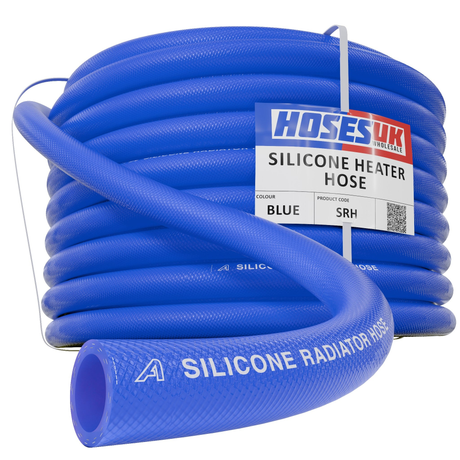
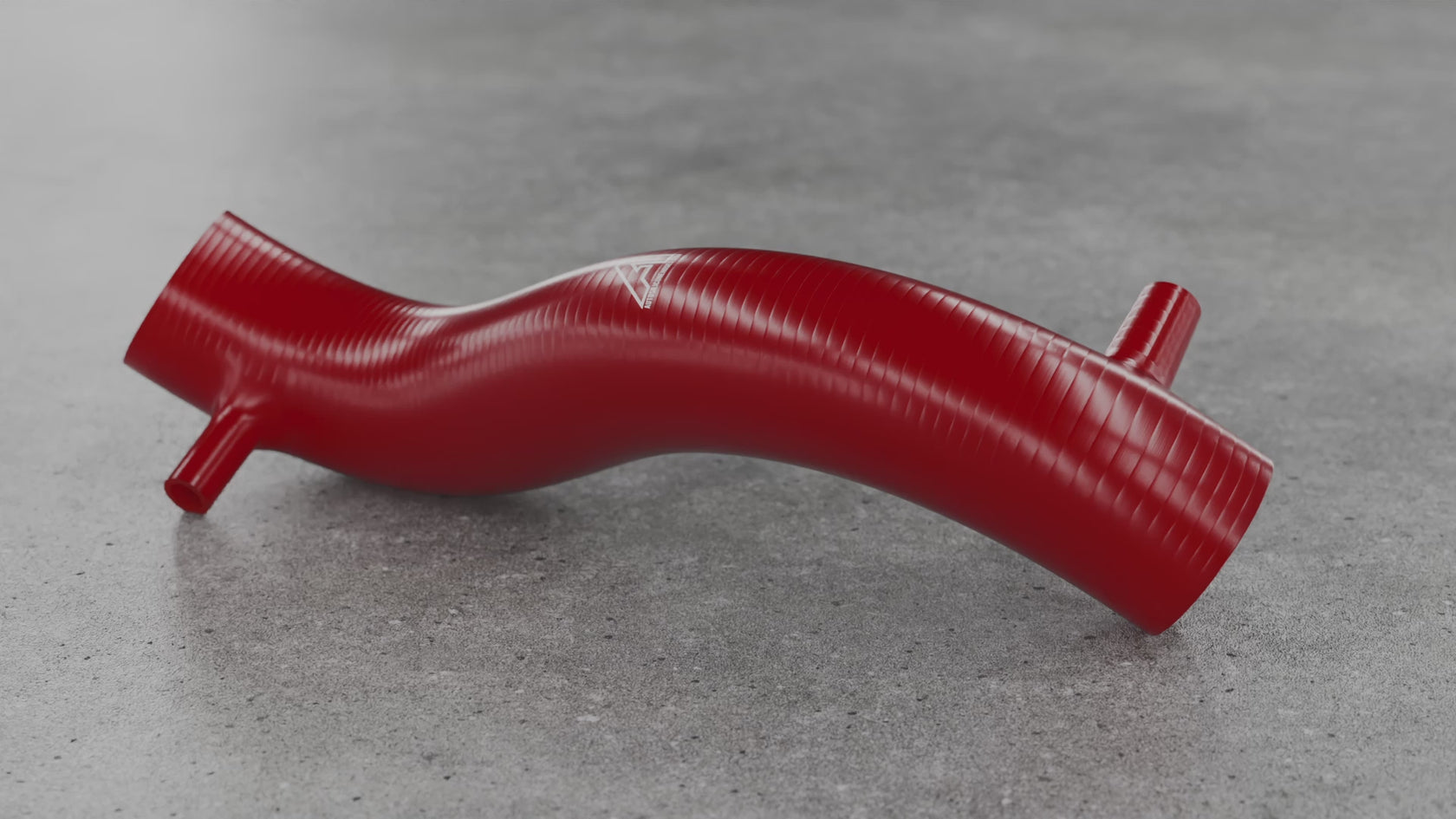
| Silicone coolant lines | Radiator, heater, hump and wire reinforced: −50°C to +180°C continuous. Coolant, air and vibration-prone joints. |
| Silicone Fuel & Oil Hose | Fluorosilicone-lined. −50°C to +180°C, higher for short bursts. Fuel, oil and breather duty where plain silicone is the wrong choice. |
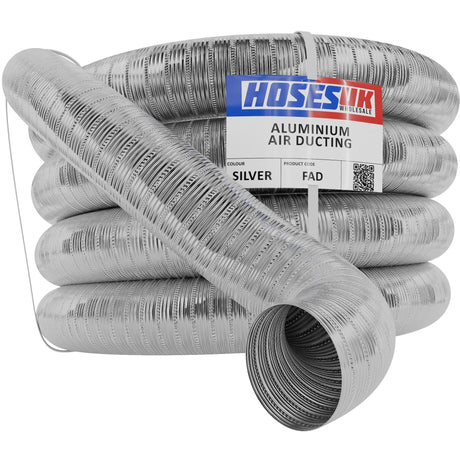
| Silicone 2 Ply Air Ducting | 25×29mm to 152×157mm, 4m lengths. −70°C to +310°C (peak +350°C), 3:1 safety factor. Hot air and fume extraction. |
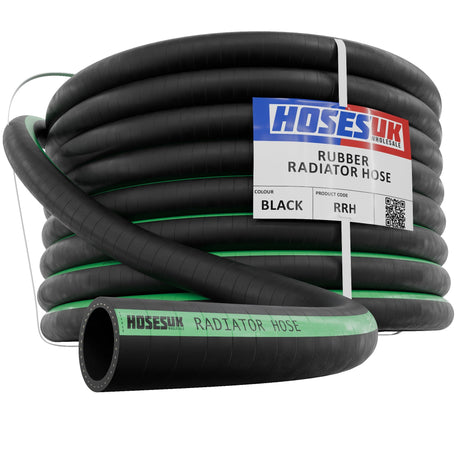
| Rubber Radiator Hose | From 28×38mm, 1m and 20m coils. −40°C to +120°C (intermittent +135°C). Up to 10 bar, size dependent. |
| Rubber Multi Purpose Hose | 5–25mm bore, 50m and 100m coils. −20°C to +120°C. Up to 20 bar, varies by size. |
| Rubber Air Line Hose | 6–19mm bore, 60m coils. −20°C to +85°C. Up to 20 bar, depending on size. |
| Rubber Stainless Overbraid Hose | 6×12.5mm to 13×21mm, 30m coils. −40°C to +93°C (intermittent +100°C). Up to 15 bar, size dependent. |
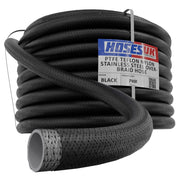
| PTFE Stainless Overbraid Hose | −70°C to +260°C, depending on fittings. Fuel, oil, hydraulic fluids, solvents and steam. |
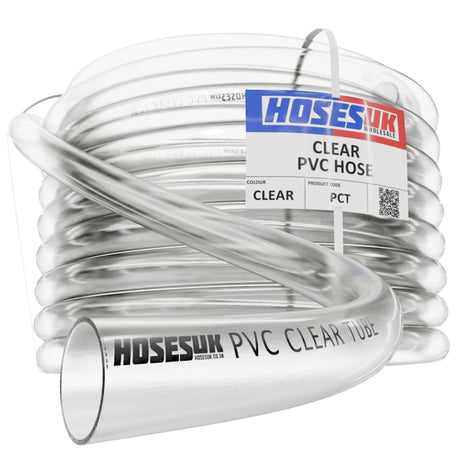
| PVC Clear Braided Hose | 5×9mm to 51×58mm, 30m coils. −10°C to +65°C (short-term +70°C), 3:1 safety factor. |
The Lines That Aren’t Numbers
Reading a Sheet in Five Steps
Buying to Spec at Trade
For stockists and maintenance buyers, getting the spec right is also a stock decision: a line chosen with real temperature and pressure margin gets fewer returns, fewer comebacks and fewer emergency re-orders. If a listing doesn’t answer your question for a particular size, our team will confirm the figures before you commit.
Hoses UK is a trade-only wholesaler. The £500 minimum (ex VAT) applies to the whole order, so silicone, rubber and PVC lines, plus clips and joiners, can all go on one consignment. Every order is settled before dispatch by pro-forma, card or PayPal — no credit checks, no application — which is part of how we keep pricing sharp and stock deep. Stocked lines are dispatched within 1–2 working days of cleared payment, with free standard delivery to mainland UK on orders over £500, an Express next-day option for a £20 surcharge, and collection from Mirfield by arrangement.
Open a trade account, take £25 off your first order, and buy every line to the right spec.