
Clamps are the cheapest line on most hose orders and the one most likely to stop a job. A coil of the right bore is no use if the clip that fits it is out of stock, and the wrong clip type on the right hose is how blow-offs, weeps and chewed silicone come back as warranty claims. For a stockist, the clip bin is also a quiet margin line: high turnover, small footprint, and an add-on to almost every hose sale.
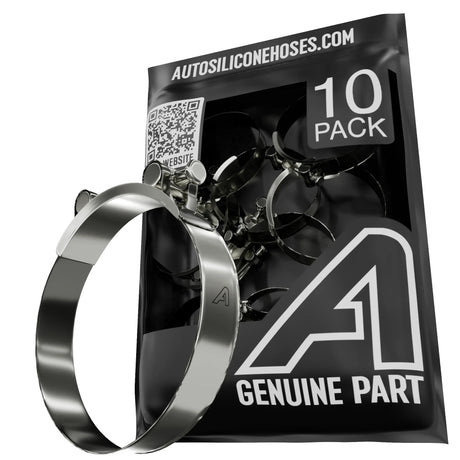
This guide covers the four clip types in our hose clamps and clips range — T-Bolt clamps, worm drive clips, mini clips and rubber-lined P clips — what each one is for, the size ranges we hold, and how to build a clip stock that matches the hose you sell. Every line is sold in packs of 10 per size, in W1 zinc plated or W4 stainless steel.
The Four Clip Types at a Glance
Zinc Plated or Stainless?
Most clip lines come in two grades. W1 zinc plated is the cost-effective option for dry, under-bonnet and indoor work, and it is what most general trade customers expect on the shelf. W4 stainless steel costs more per pack but resists corrosion far better, which makes it the right call for marine, agricultural, washdown and outdoor plant applications, and for customers who simply do not want to see rust on a rebuilt engine bay. A sensible stockist split is W1 in depth across the common sizes, with W4 in the sizes your marine, farm and performance customers ask for.
That is the single most common clip mistake we see on trade orders. If you are unsure what OD a hose runs to, the wall thickness is on the product page; our guide to bore, wall thickness and pressure ratings explains how the figures relate. Where the OD lands near the top of one clip range, pick the size whose range sits across it, so the clip tightens in the middle of its travel rather than at either end.
Which Clip for Which Hose
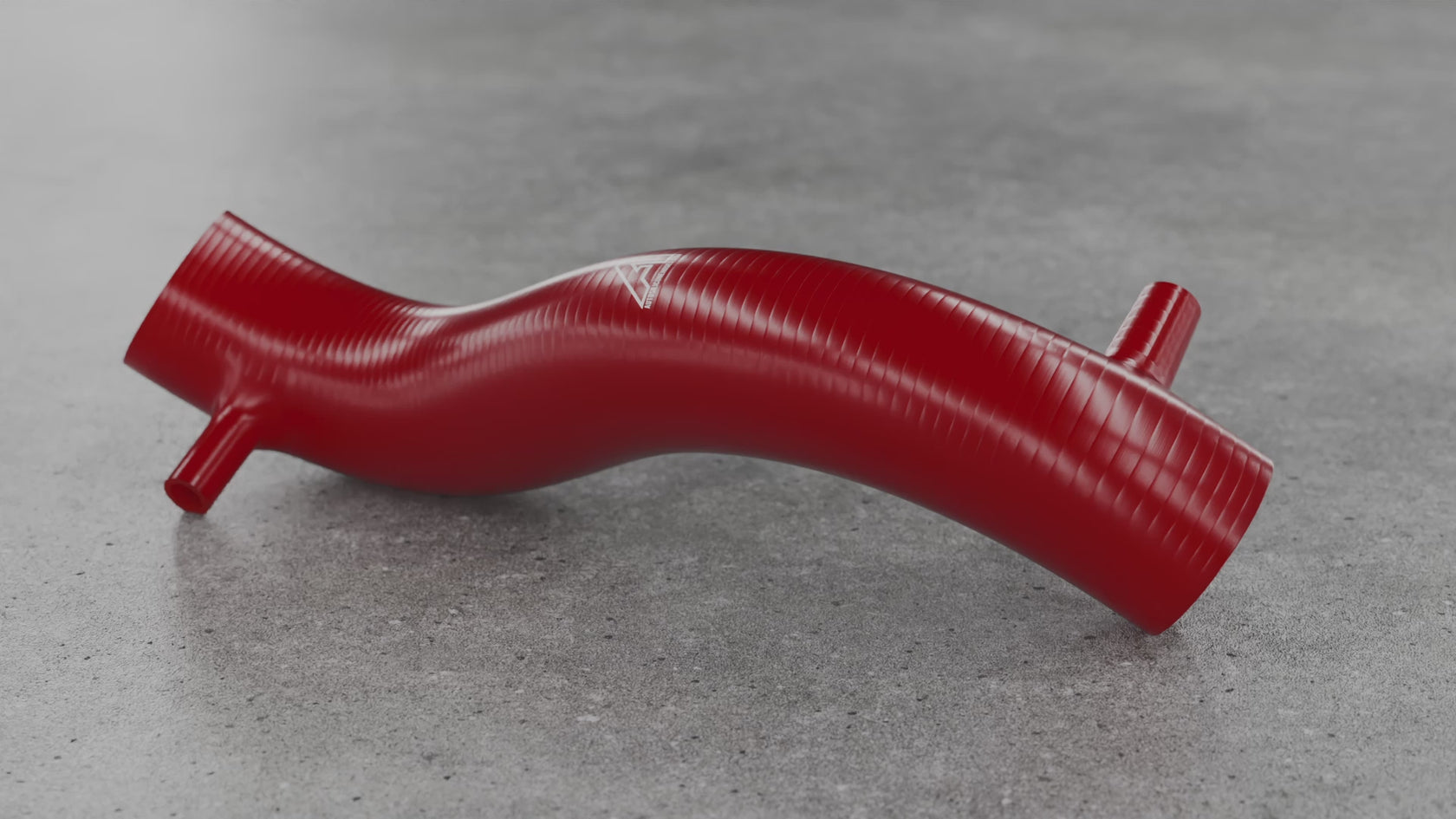
| Silicone coolant and intercooler hose, large bore | T-Bolt. The solid band spreads load evenly and will not cut into the silicone the way a slotted worm drive band can when over-tightened. |
| Rubber radiator and heater hose | Worm drive in the general sizes; T-Bolt on large-bore or high-load joints. |
| Small-bore fuel, vacuum and breather lines | Mini clips. Lower profile, smoother inner band, and less risk of over-tightening a thin hose. |
| Air, water and general industrial hose | Worm drive. The wide adjustment range suits mixed bores on site and in plant. |
| Marine, agricultural and washdown | W4 stainless versions of the above. |
| Routing and securing runs | Rubber lined P clips to fix hose and loom to the chassis or bulkhead. |
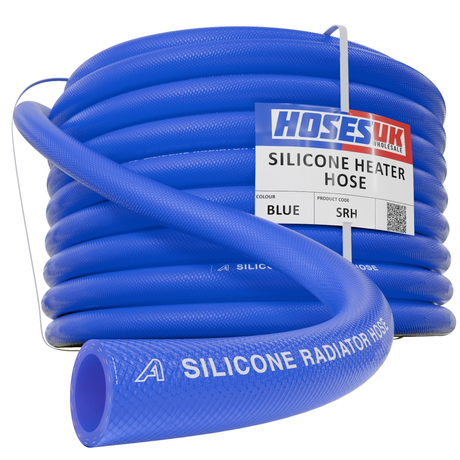
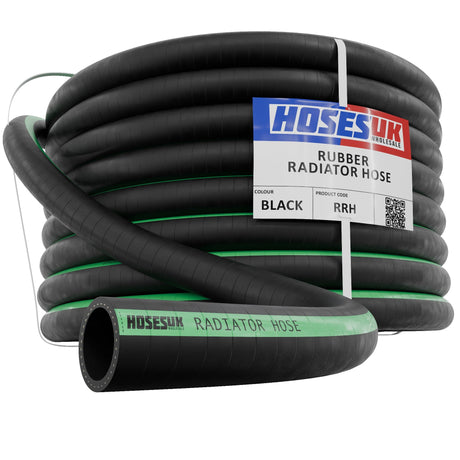
Pair the right clip with our silicone hose and rubber hose ranges and a customer can finish the whole job from one order. Our coolant and fuel hose shelf guide lists the clip sizes that match the most common workshop bores.
Building a Clip Stock in Five Steps
Drivers: the Add-On That Sells Itself
Our hose clip drivers cover the ways trade customers actually fit clips. The Flexible Hose Clip Driver has a 7mm hex tip on a bending shaft for clips behind manifolds and radiators. The Rigid Hose Clip Driver gives direct control and torque on open-access jobs. The Plastic Hose Clip Driver comes in packs of 10, in versions for worm drive, T-Bolt and mini clips and in four handle colours, which makes it an easy counter-top line or a branded giveaway with bulk clip orders.
Who Stocks What
Buying Clips at Trade Prices
Clips count toward the £500 minimum order (ex VAT) across the whole basket, so they combine naturally with a hose restock. Every order is settled before dispatch by pro-forma — no credit checks, no application — which keeps our costs down and goes back into sharper pricing and deeper stock. Stocked lines are dispatched within 1–2 working days of cleared payment, with collection from Mirfield by arrangement.
Open a trade account, take £25 off your first order, and stock the clips that match the hose you sell.