
A hose section on a trade counter earns its space in a particular way. Customers rarely walk in to browse it — they arrive with a split pipe in one hand and a van ticking over outside, and they want the right bore, the right clips and to be gone in five minutes. Get that right consistently and hose becomes one of the most reliable repeat lines on the counter. Get it wrong and it turns into a corner of half-used coils nobody can find a size in.
This guide is for motor factors, agricultural and builders’ merchants, plant hire depots and independent stockists adding hose to an existing counter, or tidying up one that has grown by accident. It covers what to stock first, how to think about margin on a product often sold by the metre, which lines tend to move fastest, and how to restock without tying up cash. If you are still deciding whether to stock our range at all, start with our guide to becoming a stockist.
What a Good Hose Counter Does
Choosing the Opening Range
Resist the temptation to cover every bore in every material on day one. Start from what your existing customers already ask for — your counter staff will know which hose enquiries they currently turn away — and build the range around those. A practical way to structure the opening order from our hose range:
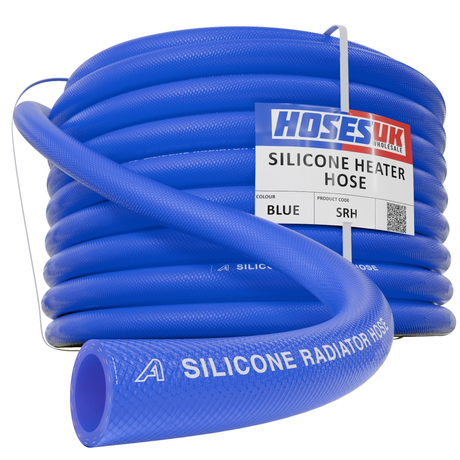
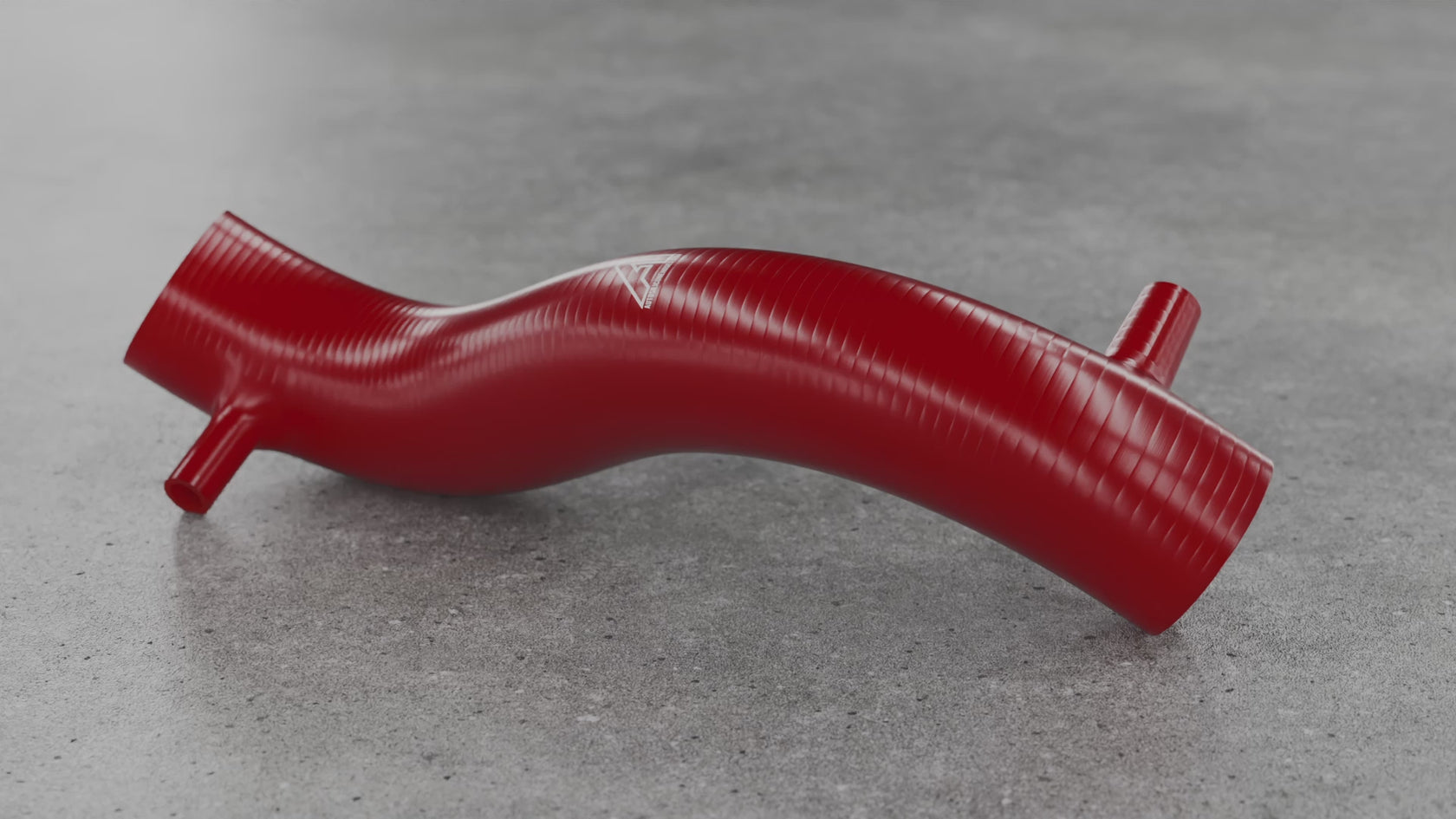
| Silicone hose | Coolant, turbo and heater work for motor factors and workshops. Straight lengths in the common bores first; elbows and reducers once you know which sizes sell. |
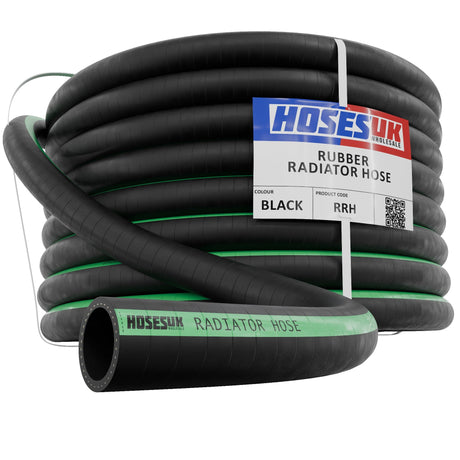
| Rubber hose | General-purpose water, air and fuel applications. Check the compound against the fluid — our material comparison sets out the differences. |
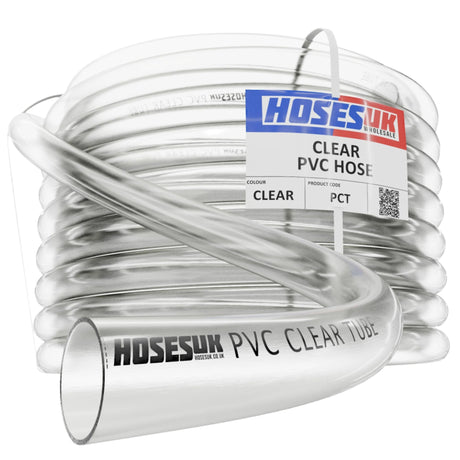
| PVC & corrugated hose | Water transfer, drainage, ponds and site work. Popular with builders’ and agricultural merchants, and often the seasonal lines. |
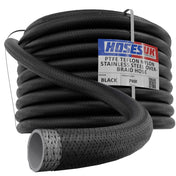
| PTFE hose | Specialist fuel and chemical work. Usually a smaller holding, stocked to order for customers who ask for it. |
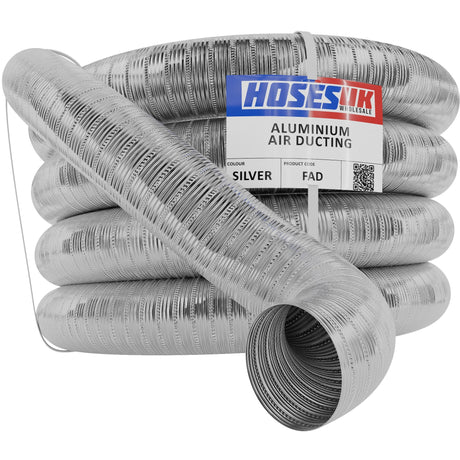
| Ducting | Extraction and ventilation. Bulky, so hold the sizes that sell and order the rest as customers need them. |
| Clips & couplings | Matched to every bore you stock. The cheapest line on the shelf and the one most likely to lose you a sale if it is missing. |
For every hose line, note the bore, the wall and the working temperature and pressure on the shelf label, so staff can match a customer’s old hose without guessing. Our guide to bore, wall and pressure ratings explains what each figure means.
Margin: Markup Is Not the Same Number
Hose is often priced by adding a percentage to cost, but your accounts measure margin on the selling price. The two numbers are different, and confusing them is the commonest reason a counter looks busy but earns less than expected. Margin is markup divided by (1 + markup):
Set your own figures against your local market, but price consumables and offcuts deliberately. A customer buying one metre of hose and two clips for a breakdown repair is buying convenience as much as product, and the price can reflect that. Bulk lengths for a contractor are a different sale and can carry a sharper rate. Write both prices on the shelf ticket so staff do not have to improvise.
Spotting the Fast-Movers
Every counter’s fast-movers are slightly different, but the pattern is consistent: a handful of bores in a handful of materials make up most of the sales, and the clips that fit them move even faster. Find yours rather than guessing:
Restocking Without Tying Up Cash
The advantage of buying from a stocking wholesaler is that you do not have to warehouse the whole range yourself. Because our stock is held in Mirfield, the efficient pattern is a solid opening order on core lines and then regular, smaller top-ups. The £500 minimum (ex VAT) applies across the full wholesale catalogue, not per line, so one top-up can mix silicone, rubber and PVC hose with ducting, clips and couplings. Our guide to making the £500 minimum work covers how to build orders that hit it without overbuying — and keeping slow sizes off the shelf is the best protection against dead stock.
Stocked orders are dispatched within 1–2 working days of cleared payment, with free standard delivery to mainland UK on orders over £500, an Express next-day option for a £20 surcharge, and collection from Mirfield by arrangement. Every order is settled before dispatch — by pro-forma, card or PayPal — with no credit checks and no application. That is part of how we keep pricing sharp and stock deep, and it means a top-up is in the dispatch queue as soon as payment clears.
If you want hose in your own branding or a non-standard specification for the counter, that is a made-to-order job with its own lead time — see our bespoke production page for what a quote needs.
Open a trade account, take £25 off your first order, and stock your counter with the bores your customers actually ask for.