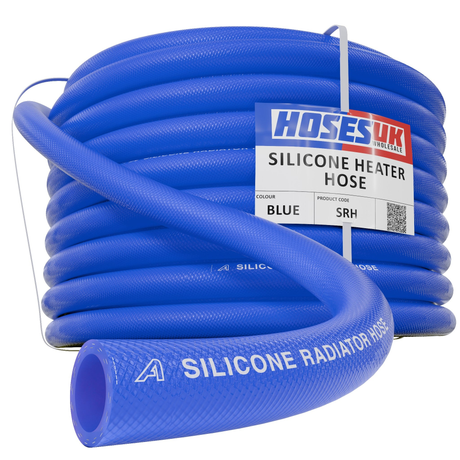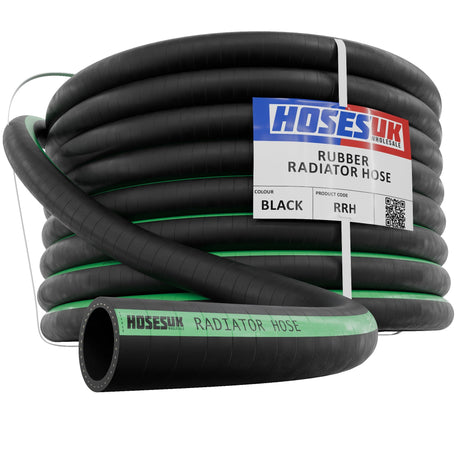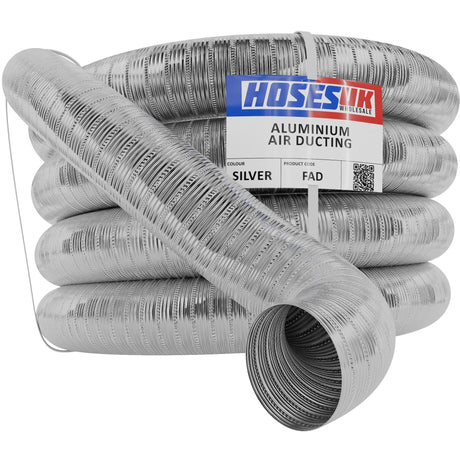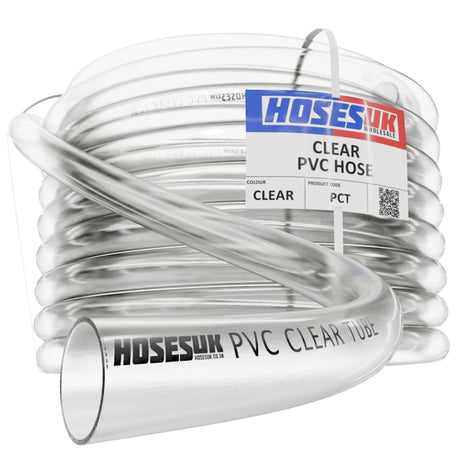

On a site, hose rarely dies of old age. It gets dragged across crushed stone, pulled over a kerb edge, run over by a dumper and left sitting against the sharp lip of a skip. The tube inside is usually fine when it comes back to the yard; it is the cover that has been worn through to the reinforcement, and once the braid or wire is exposed the clock is running.
For a buyer that changes the question. It is not just “what will carry this fluid at this pressure” but “what will survive the ground it has to cross”. Get that right and you reorder on a planned cycle; get it wrong and you are buying the same bore three times a season. This guide covers what drives abrasion wear on site, which constructions hold up, the specs worth putting on a requisition, and how to stock for it.
Where Site Hose Actually Wears
Abrasion is not one failure mode, and the fix depends on which one you are dealing with. Most site damage falls into four buckets:
Which Constructions Hold Up
Across our industrial hose range the materials behave quite differently once the ground gets rough. As a working rule:
PVC layflat sits in its own category. It is not built to be dragged across rubble all day; it is built to be rolled out for a discharge or a dewatering run, then rolled back up. Lay it on a clear route, keep it off sharp edges, and it is very cost-effective per metre. For a fuller sector-by-sector view see our construction & groundworks hose guide.
The Specs to Put on the Requisition
“Heavy-duty hose” on a purchase order gets you whatever the counter has. These are the lines we stock most for rough site work, with the published specs:
| Rubber air line | 6–19mm ID; 60m coils; up to 20 bar (size dependent); –20°C to +85°C; textile braid; abrasion-resistant rubber cover |
| Rubber multi-purpose | 5–25mm ID; 50m & 100m coils; up to 20 bar (varies by size); –20°C to +120°C; NBR/SBR tube for air, water, fuel and light oils |
| Rubber wire reinforced | Synthetic rubber with embedded steel helix; resists pressure, vacuum, abrasion and weathering; for pump suction & delivery, drainage and slurry |
| PVC wire reinforced | 10×16mm to 51×65mm; 50m & 100m; –10°C to +65°C; vacuum –0.85 bar; 3:1 safety factor |
| PVC layflat | 25–103mm ID; 100m coils; up to 4 bar (varies by size); –10°C to +70°C; blue or yellow |
| PU ducting | 25–200mm ID; 10m & 20m coils; approx. 0.4mm PU wall on a copper-coated steel helix; –40°C to +90°C |
Pressure ratings vary by bore, so always check the figure for the exact size you are ordering on the product page. If the duty sits near the top of a hose's rating, step up a construction rather than relying on it to cope with wear as well.
Specifying in Four Steps
Making It Last Once It Is on Site
Specification does most of the work, but site habits decide the rest. Route lines away from traffic where you can, and where a hose has to cross a haul road, protect it rather than let it be driven over. Lift rather than drag over sharp edges. Coil hose back on the van instead of leaving it in a heap where it can be stood on or snagged. And inspect covers as part of the weekly plant check: a scuffed cover is a reorder signal, exposed braid or wire is a replace-now signal.
On the buying side, the operators who spend least on hose treat it as a consumable. They know which bores wear out, keep a coil of each on the shelf, and top up with the clips and couplings that go with them, rather than paying for a panic purchase from whoever is nearest. Our PVC air & water hose range and rubber lines are held in stock in Mirfield and dispatched within 1–2 working days of cleared payment, with an Express next-day option and collection available.
Not sure which construction a job needs? Call the team on 01924 496111 or use live chat on the site — tell us the duty and the ground and we will point you at the right line.
Open a trade account, take £25 off your first order, and stock site hose at wholesale prices.