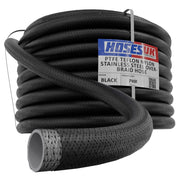

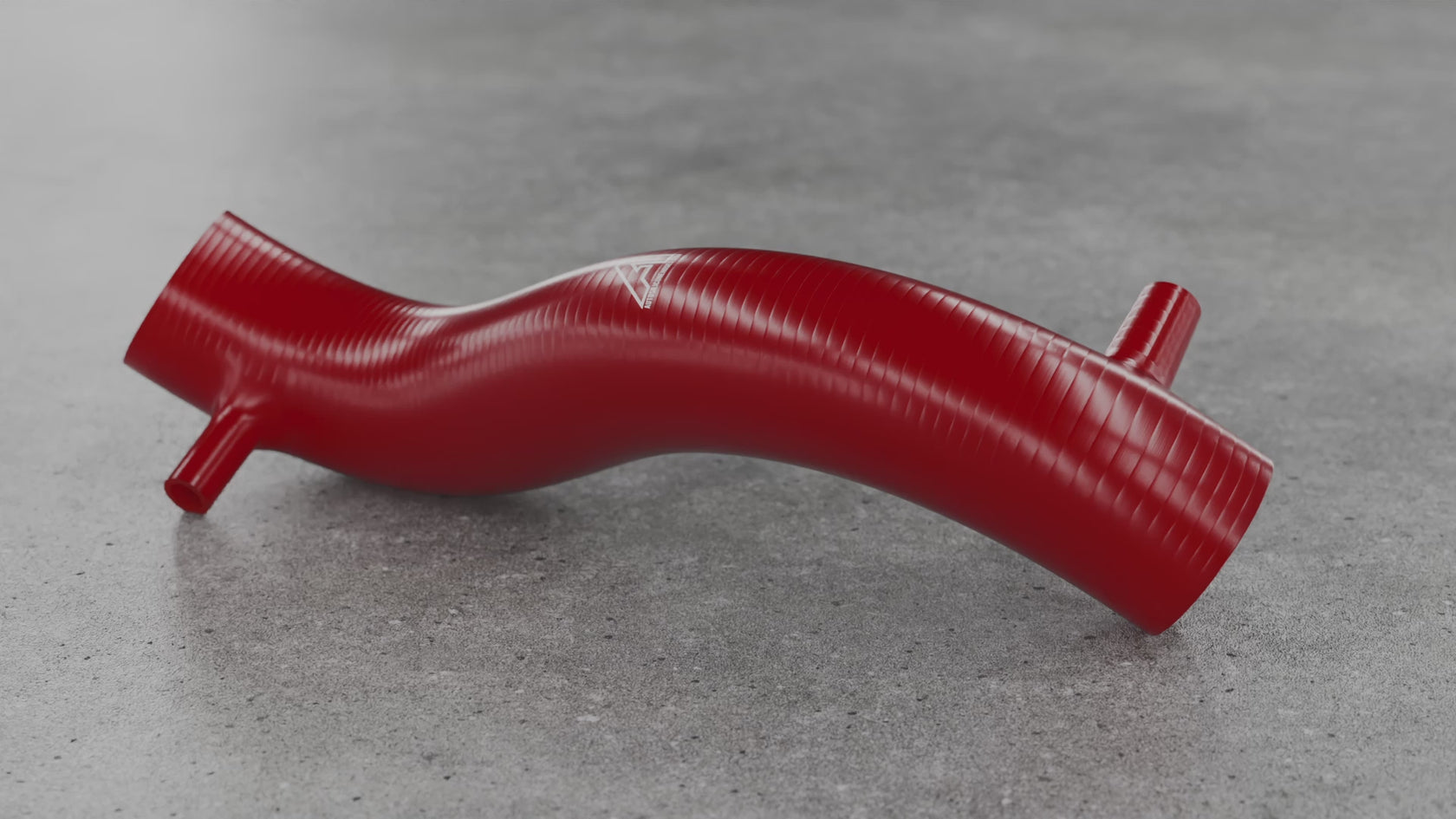
Choosing the right type of hose material is crucial for getting the best performance and value from your setup. At Hoses UK, we supply both polyurethane (PU) and PVC hose options, each with their own strengths depending on your application. Below, we explore the differences in detail to help you make an informed decision.
Durability & Abrasion Resistance
Polyurethane offers exceptional abrasion resistance, making it ideal for high-wear applications such as wood shavings, dust extraction, and granular material handling. It maintains its integrity even under demanding conditions. PU hoses are also more resistant to impact and surface damage compared to PVC, making them suitable for heavy-duty use across industrial and workshop environments.
PVC hoses, while durable for general use, tend to show wear faster in abrasive conditions. They’re better suited for low-friction applications such as water transfer or air distribution, where the hose isn’t dragging across rough surfaces or transporting coarse media.
Flexibility & Temperature Range
PU hoses remain flexible in a wide range of temperatures, from as low as –40°C up to +90°C (with peaks of +125°C for short durations). This flexibility helps prevent cracking or fatigue in colder environments and is particularly beneficial in outdoor applications or around machinery where temperatures fluctuate significantly.
PVC hoses are generally softer and more pliable at room temperature, which makes them easier to handle and route in milder conditions. However, PVC becomes noticeably stiffer in cold weather and can crack or split if bent or compressed at low temperatures. If flexibility in colder climates is important, PU is often the better option.
Chemical Resistance
Polyurethane hoses offer excellent resistance to a broad range of chemicals, including fuels, oils, and certain solvents. This makes them a top choice for applications such as fuel vapour lines, pneumatic systems exposed to oil mist, and workshops where hoses may encounter grease, lubricants, or cleaning agents. PU’s chemical resistance also contributes to its longer service life in challenging environments.
PVC hoses are still resistant to water-based solutions, light acids, and alkaline products, which makes them suitable for general-purpose use such as window cleaning systems, food-safe liquid transfers, and agricultural water lines. However, PVC is less suitable for exposure to aggressive chemicals or hydrocarbons, which can cause softening, swelling, or cracking over time.
Weight & Handling
When it comes to handling, PVC hoses are typically lighter in weight, making them easier to lift, coil, and transport. This makes PVC a good choice for portable equipment or when hoses need to be moved frequently, such as with mobile sprayers or temporary fluid setups.
Polyurethane hoses, though slightly heavier, benefit from higher tensile strength and better memory. They retain their shape well and are more resistant to kinking or collapsing, especially when reinforced with a steel or plastic helix. If you need a hose that keeps its form under vacuum or pressure, or that resists being flattened in tight spaces, PU is the superior option.
Cost & Value
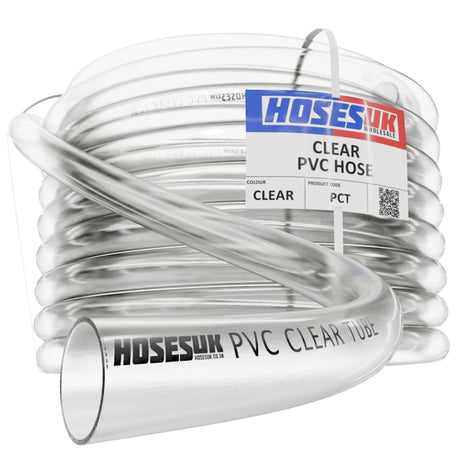
PVC hoses are generally more affordable upfront, making them the go-to choice for short-term or light-duty needs. They’re cost-effective for basic applications and are widely available in a variety of styles, including braided and clear unreinforced options.
Polyurethane hoses come at a higher initial cost, but their longer lifespan and durability in harsh environments often make them more economical in the long run. Fewer replacements and less downtime mean PU can deliver better overall value, particularly in demanding commercial or industrial settings.
Recommended Applications
| Polyurethane (PU) | Polyvinyl Chloride (PVC) |
|---|---|
| Dust and fume extraction systems | Water delivery systems |
| Sawmills and woodworking setups | Air lines and compressors |
| Granule and pellet handling | Window cleaning systems |
| Pneumatic conveying lines | Food and beverage transfer (food-safe rated) |
| High-friction or abrasive environments | Mild chemical or detergent transfer |
| Industrial vacuum systems | LPG delivery (with correct rating) |
Conclusion
In summary, polyurethane hoses excel in tough, abrasive, or chemically demanding environments, offering long-term durability, resistance, and flexibility in extreme conditions. They’re the best choice when performance and longevity are a priority. PVC hoses are lightweight, easy to handle, and affordable, making them ideal for general-purpose applications where conditions are less intense.
At Hoses UK, we stock a wide selection of both PU and PVC hoses to suit every requirement—from industrial ducting to reinforced food-safe lines. Browse our collections online or get in touch with our team for personalised recommendations based on your application.